
What to Do When a Pipe Bursts or a Plumbing Emergency Happens
A plumbing emergency can feel overwhelming, especially when water is actively spreading through your home. The good news is that a few simple steps can help reduce damage, protect your property, and make the repair process easier once professional help arrives. This guide walks through the most important actions homeowners should take immediately after discovering a burst pipe, major leak, overflowing toilet, or other urgent plumbing issue.
First Things First: Stay Calm and Stop the Water
The first few minutes matter most during a plumbing emergency. Your goal is not to repair the problem yourself. Your goal is to stop additional damage and make the situation safer until a plumber arrives.
Step 1: Shut Off the Main Water Supply
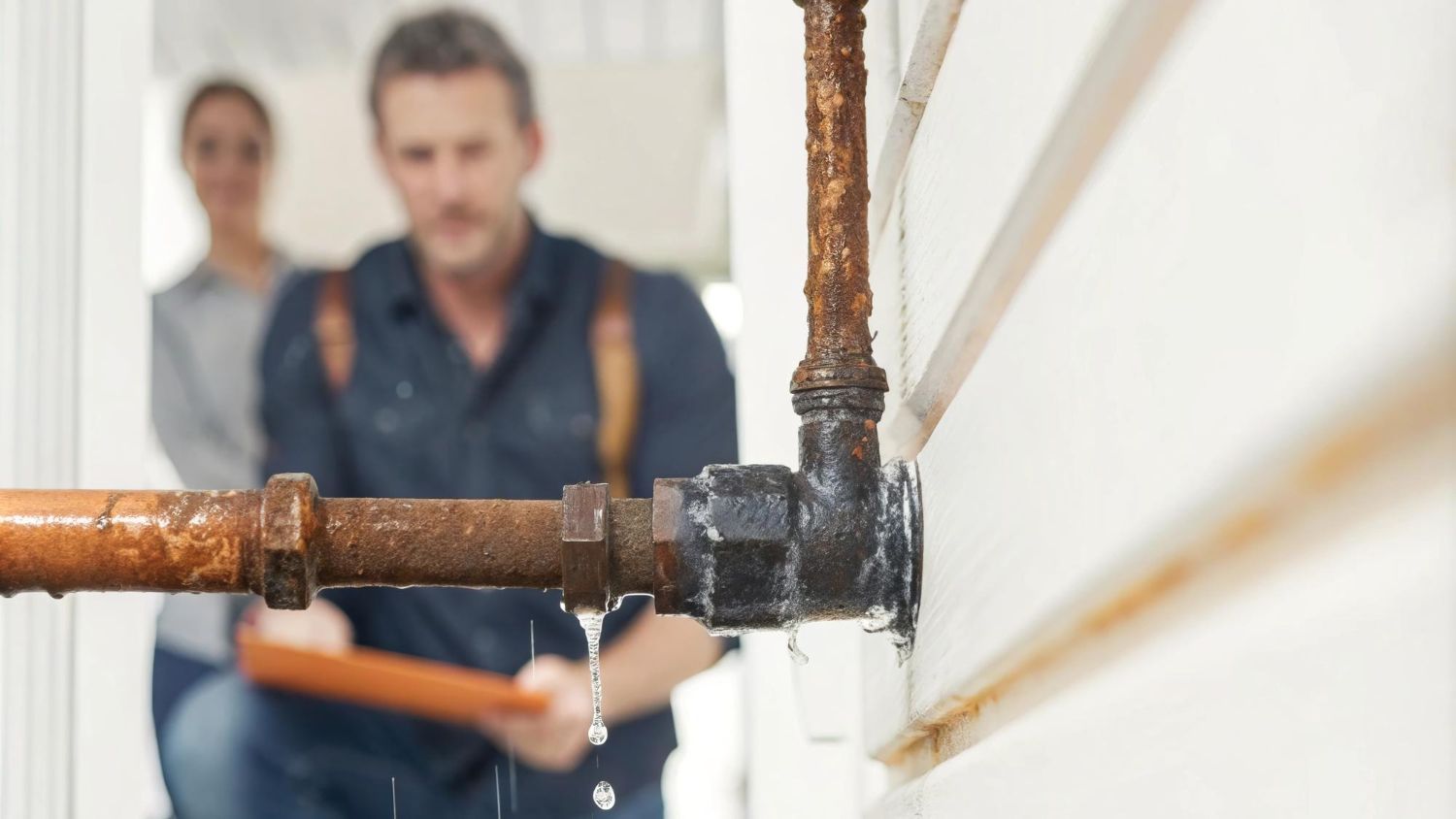
If water is actively flowing from a pipe, fixture, or appliance, locate your home's main water shutoff valve and turn it off immediately. Stopping the water supply is often the single most effective way to reduce damage.
Step 2: Shut Off Local Valves if Appropriate
If the issue is isolated to a sink, toilet, or appliance, you may be able to stop the flow using the local shutoff valve connected to that fixture.
Step 3: Turn Off Electricity if Water Is Near Electrical Systems
If water is approaching outlets, electrical panels, appliances, or wiring, prioritize safety and shut off power to the affected area if it can be done safely.
Step 4: Call a Plumber
Once the immediate danger is under control, contact a plumber as soon as possible so repairs can begin before the problem worsens.
Quick Emergency Checklist
Use this checklist as a fast reference during the first few minutes of a plumbing emergency.
✓ Shut off the main water supply.
✓ Stop water at local fixture valves if possible.
✓ Turn off electricity near affected areas if necessary.
✓ Move valuables and belongings away from standing water.
✓ Place towels, buckets, or containers to contain water.
✓ Take photos of visible damage for documentation.
✓ Contact a licensed plumber.
✓ Follow any instructions provided during the call.
What to Do While Waiting for the Plumber
Once the water is under control, there are several safe steps homeowners can take to minimize damage and prepare for repairs.
Move Belongings Away From the Area
Furniture, electronics, rugs, and personal items should be relocated away from wet areas whenever possible.
Open Doors and Improve Airflow
Increasing airflow may help reduce moisture buildup while waiting for service.
Document Visible Damage
Photographs can help with insurance claims and create a record of affected areas.
Avoid Disassembling Plumbing Components
Attempting repairs without proper tools or diagnosis can make the situation worse and increase repair costs later.
Focus on Containment, Not Repair
The safest approach is controlling damage while leaving diagnosis and repair work to a licensed plumber.
Common Plumbing Emergencies and Immediate Actions
- Burst Pipe
Shut off the main water supply immediately and move belongings away from affected areas. - Major Leak
Contain water if possible, identify the source if visible, and contact a plumber right away. - Overflowing Toilet
Turn off the toilet shutoff valve located behind the fixture and avoid flushing again until the cause is identified. - Water Heater Leak
Shut off the water supply to the water heater if possible and contact a plumber for evaluation. - Sewer Backup
Avoid using plumbing fixtures until the issue has been diagnosed. Wastewater backups should be treated as urgent plumbing situations.
Emergency Plumbing Help for Florence, Lake City, and Timmonsville
When plumbing emergencies happen at night, on weekends, or during holidays, homeowners often struggle to find someone who is actually available. Hall’s Plumbing provides true 24/7 emergency plumbing service and direct access to a real plumber when urgent situations arise.
Whether you are dealing with a burst pipe, a major leak, a sewer backup, or a failed water heater, help is available throughout the Pee Dee region.
Know When DIY Should Stop
Many homeowners search for DIY plumbing advice because they want to avoid unnecessary service calls. While simple containment measures can help reduce damage, active leaks, burst pipes, sewer backups, water heater failures, and recurring plumbing problems generally require professional evaluation.
If you are uncertain whether a situation is safe to handle on your own, the safest option is speaking with a plumber before taking additional action. A short phone call may help prevent a much larger repair.
Residential Drain & Sewer FAQs
Frequently Asked Questions
Should I shut off my water during a plumbing emergency?
Yes. In most situations involving active leaks or burst pipes, shutting off the water supply is the fastest way to reduce damage.
What should I do before the plumber arrives?
Focus on stopping water flow, protecting belongings, documenting damage, and following any guidance provided by the plumber during your call.
Can I repair a burst pipe myself?
Temporary measures may slow damage, but burst pipes generally require professional repair to restore the plumbing system safely.
What counts as a plumbing emergency?
Burst pipes, major leaks, sewer backups, overflowing toilets, and water heater failures involving leaks or flooding are common emergency situations.
Should I wait until morning?
If water damage is actively occurring or wastewater is entering the home, immediate service is typically the safest option.
Take Action Before Water Damage Gets Worse
The sooner you stop the water and get professional help on the way, the easier it is to limit damage and restore your home's plumbing system. If you are facing a plumbing emergency right now, Hall’s Plumbing is available to help homeowners throughout Florence, Lake City, Timmonsville, and surrounding Pee Dee communities.